Environmental Studies Seminar Series | Caring for cultural keystones: Indigenous-led stewardship, public values, and tree genomics in a hotter, drier world
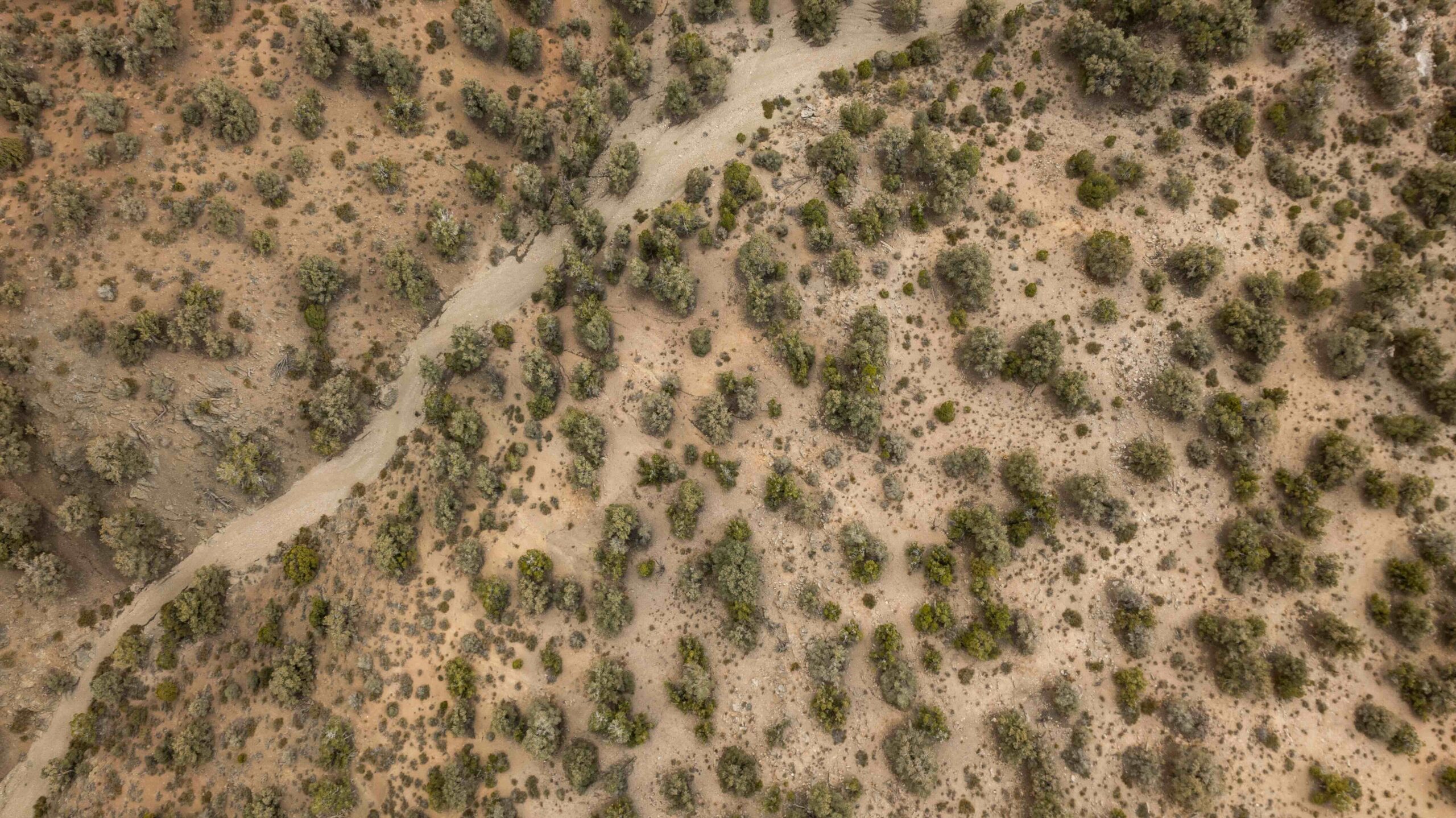
In person and via Zoom ( Meeting ID : 978 5545 8946, Passcode : 454736) . If you are unable to stream the talk live and need to access a recorded version, please contact Stacy Philpott at [email protected] . A UC Santa Cruz email address is required to access the recording. Host: Maywa Montenegro Speaker: Diana Macias, UC Berkeley Title: Caring for cultural keystones: Indigenous-led stewardship, public values, and tree genomics in a hotter, drier world Abstract: Pinyon pine nuts are a culturally significant food source for Indigenous communities who have cared for pinyon-juniper woodlands for millennia. However, colonial land dispossession and federal land management have disrupted these relationships, while recent droughts, wildfires, pests and pathogens have resulted in extensive tree die-off. In the Eastern Sierra of California and Nevada, differing knowledge systems and unequal institutional power have limited effective co-management between Tribes and federal agencies. My work asks: how do we sustain the local variation and place-based knowledge that make tree persistence possible? I share results from three studies: (1) An Indigenous-led monitoring network tracking tree health and cone production, priorities identified by Tribal Environmental Departments of the Big Pine Paiute, Bishop Paiute, and Washoe Tribes; (2) a regional household survey that examined whether recognition of pinyon–juniper woodlands, climate change knowledge, and demographic factors predicted four measures of environmental care; and (3) a genomic data set from across the pinyon pine species complex which revealed the geography of genetic variation and signatures of climate adaptation. Together, these projects show how ecological monitoring, public perspectives, and population genomics can inform the future of pinyon-juniper woodlands and underscore a broader responsibility to support Indigenous-led stewardship.
Something not right here? 🐛 Report a problem with this event's details